
40th Anniversary of the Tropical Cyclone Programme
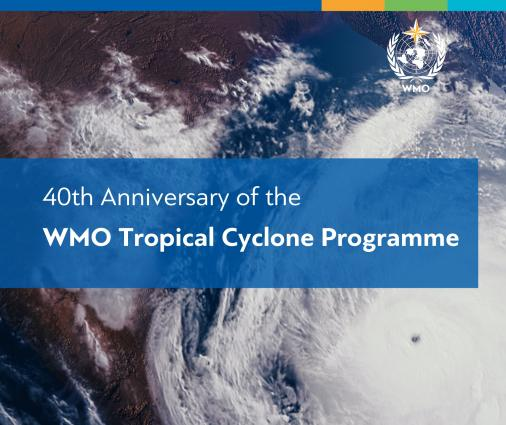
Tropical Cyclone Bhola, which hit present-day Bangladesh on 12/13 November, remains the deadliest tropical cyclone on record. It caused the death of between 300 000 and 500 000 people. The tragedy prompted international action and laid the foundation for the WMO Tropical Cyclone Programme, which marks its 40 anniversary in 2020.
Tropical Cyclone Bhola prompted international calls at the United Nations General Assembly in 1970 and 1972 to find ways and means to mitigate the harmful effects of tropical cyclones. This laid the foundation for the WMO Tropical Cyclone Programme, which marks its 40 anniversary in 2020. The Programme covers all ocean basins prone to tropical cyclones and now includes 85 Members States and Territories. It facilitates observations, research, coordination and communication to improve tropical cyclone monitoring, forecasting and warning. It supports Regional Tropical Cyclone bodies to implement impact-based, multi-hazard early warnings for tropical cyclones and related hazards such as strong winds, heavy rainfall, and storm surges.
The Programme covers four areas: meteorology, disaster risk reduction, research and training. These areas are implemented through two components:
A general component that focuses on training, capacity development and transfer of technology, information and expertise to Members
The regional component comprises the five Regional Tropical Cyclone bodies that form the basis of the Programme, with their respective Regional Meteorological Specialized Centres (RSMCs) and their NMHSs in a network. Each of the regional bodies has developed and maintained a Tropical Cyclone Operational Plan which defines the observing, forecasting and warning responsibilities of all cooperating MembersFiji highlights importance of impact-based, multi-hazard early warnings
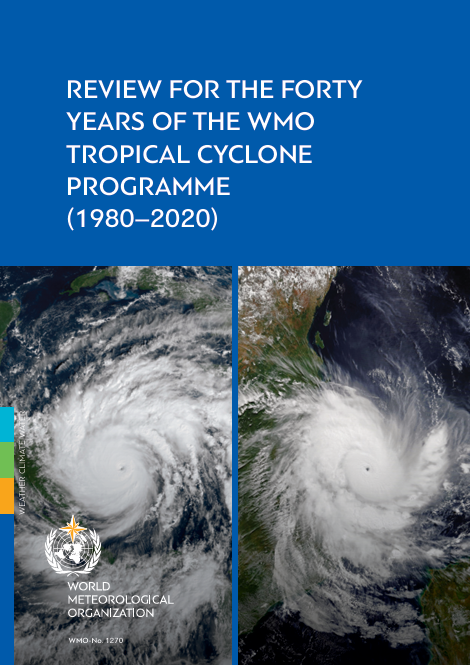
Review for the Forty Years of WMO Tropical Cyclone Programme (1980–2020) (WMO-No. 1270)
Fiji highlights importance of impact-based, multi-hazard early warnings
Following Tropical Cyclone Harold in April, WMO conducted interviews with Fiji's Prime Minister and Minister of Environment and Meteorology as well as other partners on the importance of the Tropical Cyclone Programme in their context.Then links to interviews in Fiji highlighted the importance of impact-based early warning systems being implemented by the Tropical Cyclone Programme: