
Overview
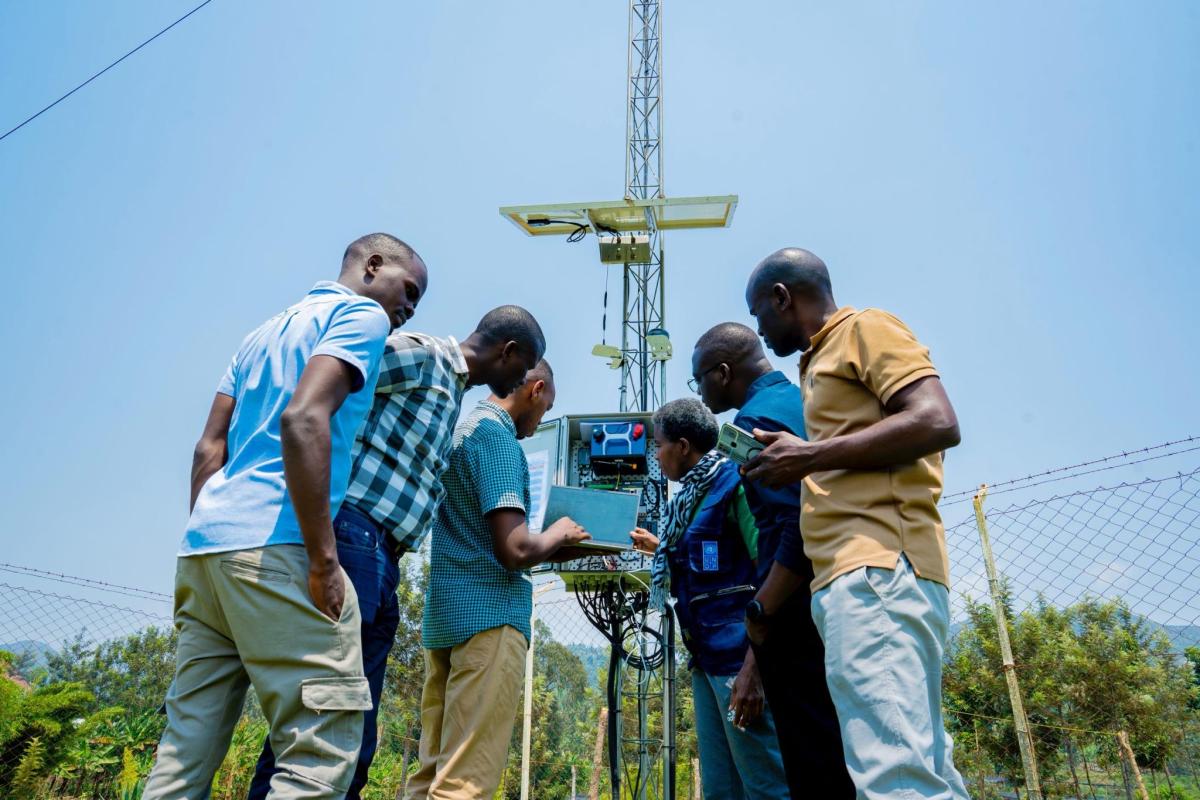
Under Pillar 2 of the WMO Youth Action Plan, capacity development focuses on creating meaningful opportunities for youth to learn, collaborate and contribute to weather, water and climate initiatives. It is built around two core areas: mentorship and skills development.
“Capacity development is not an activity; it’s how the system is designed to let people grow into responsibility.”
— Youth Focal Point, Youth Coordination Meeting, Tokyo, Japan
Why it matters
Young people have expressed a strong interest in understanding how WMO works in practice—from governance processes and science diplomacy to participation in international discussions. At the same time, access to structured mentorship and tailored learning opportunities remains limited.
Capacity development within the WMO Youth Network aims to address these gaps by improving access to knowledge, strengthening skills, and supporting youth to actively engage in the WMO system.
How it works
Mentorship
Mentorship is embedded within existing WMO and Member structures. Youth Focal Points are connected with experienced professionals at the appropriate level, whether within technical commissions or at national level, to provide guidance, share experience and support their engagement. This approach ensures practical, relevant and scalable support.
Skills development
A flexible, hybrid model combines different learning approaches:
- Peer-to-peer learning, where youth share knowledge and lead practical sessions based on their expertise;
- Targeted external inputs, bringing in expertise on topics such as science communication, media engagement, science diplomacy and negotiation processes;
- Regional Training Centres, which support capacity development through existing programmes and, where relevant, youth-focused training.
Priority areas include both technical skills and cross-cutting competencies such as communication, multilingual engagement and leadership.
Learning and inclusion
Capacity development is guided by continuous feedback, including onboarding and end-of-cycle reflections, to better match opportunities with needs.