
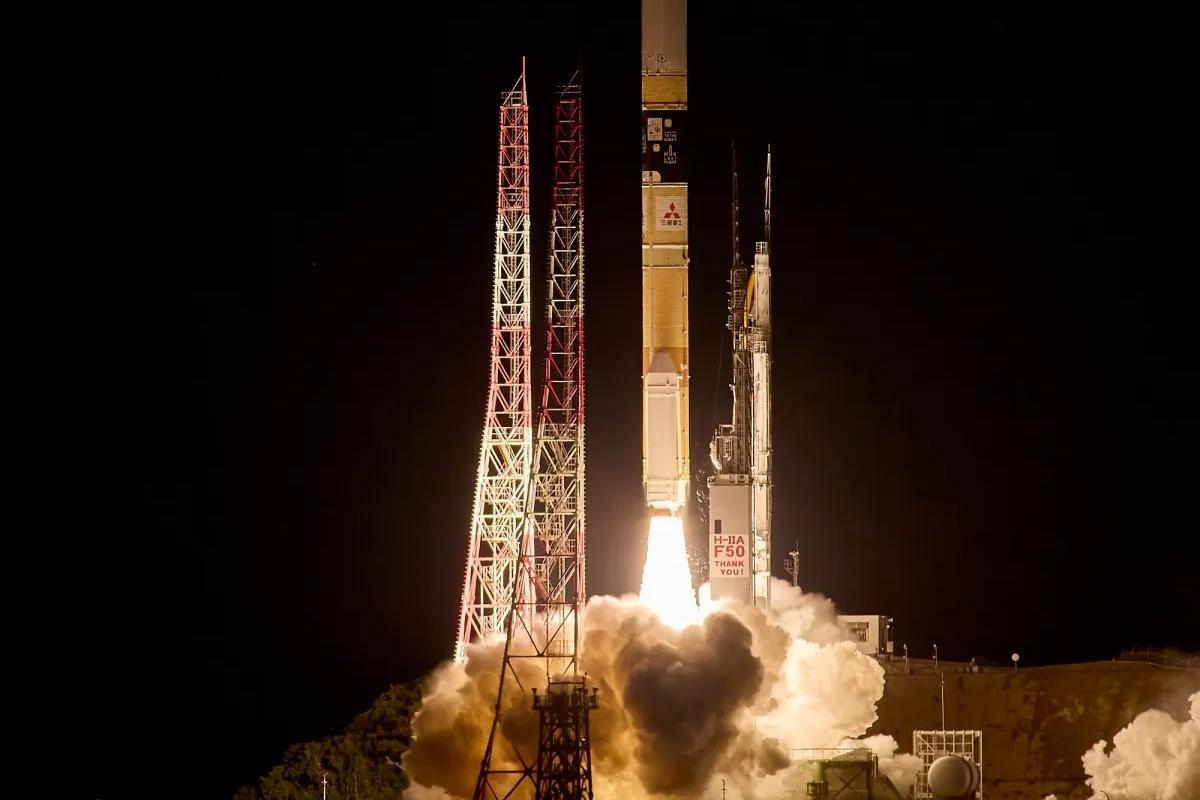
WMO Space Programme Overview
Structure
The WMO Space Programme is supported by the WMO Space Programme Section, which acts as the WMO focal point for satellite matters and maintains active relationship with a number of programmes and international bodies in this area. The Space Programme Section is part of the Infrastructure Department, WMO Integrated Global Observing Systems (WIGOS) Division.
WMO Members contribute to the WMO Space Programme through the activities of their respective space agencies and through the work of their experts and training centres.
Relations with partners
As a cross-cutting programme, the Space Programme works in connection with the different WMO or co-sponsored programmes it is responding to, such as World Weather Watch (WWW), Disaster Risk Reduction Programme (DRR), Tropical Cyclone Programme (TCP) or Global Climate Observing System (GCOS).
The Space Programme maintains close cooperation with the Coordination Group for Meteorological Satellites (CGMS) and its International Science Working Groups. It also cooperates with the Committee for Earth Observations Satellites (CEOS) and the Group on Earth Observations (GEO). Regular relationship is maintained with United Nations system organizations through the International Telecommunication Union (ITU), Office for Outer Space Affairs (OOSA) and the Committee on Peaceful Uses of Outer Space (COPUOS).
Governance
The Commission for Observation, Infrastructure and Information Systems (INFCOM) has the lead role for the WMO Space Programme, in consultation with the Commission for Weather, Climate, Water and Related Environmental Services and Applications (SERCOM) and the Research Board on Weather, Climate, Water and the Environment (Research Board). INFCOM leadership relies on WMO Member technical expertise provided primarily through the Standing Committee on Earth Observing Systems and Monitoring Networks (SC-ON) and its Expert Teams. The SC-ON makes recommendations to INFCOM, and INFCOM reports to the WMO Executive Council through the report of the president of INFCOM.
A formal dialogue is established with meteorological and environmental satellite agencies through the WMO Consultative Meetings on High-level Policy on Satellite Matters (CM), which provide advice and guidance on policy-related matters and maintain a high-level overview of the WMO Space Programme.
Relevant Expert Teams under SC-ON/INFCOM
The space-based Observing System
Access to Satellite Data and Products
Awareness and Training
Space Weather Coordination


Regional Activities Coordination
OSCAR/Space
Events